

Physio Services

TMJ Physio

It’s exhausting living with jaw pain. Is this you?

“My jaw just aches all the time.”
“I have to eat food on one side just to avoid pain.”
“Why is my jaw clicking all of a sudden?”
“Ever since my jaw locked, I don’t really trust it.”
“I can’t open wide enough to eat burgers.”
“My dentist says I clench and grind.”
“I don’t feel confident smiling anymore.”
“My temples always feels so heavy.”

If so, click book now to start.

TMJ Physiotherapy

Our physiotherapists have completed additional training in TMJ assessment and management beyond standard university education.

During your initial consultation, we’ll talk about your symptoms, what helps or worsens them, and any previous treatments.

We then assess your jaw movement, chewing muscles, neck, posture, and strength.

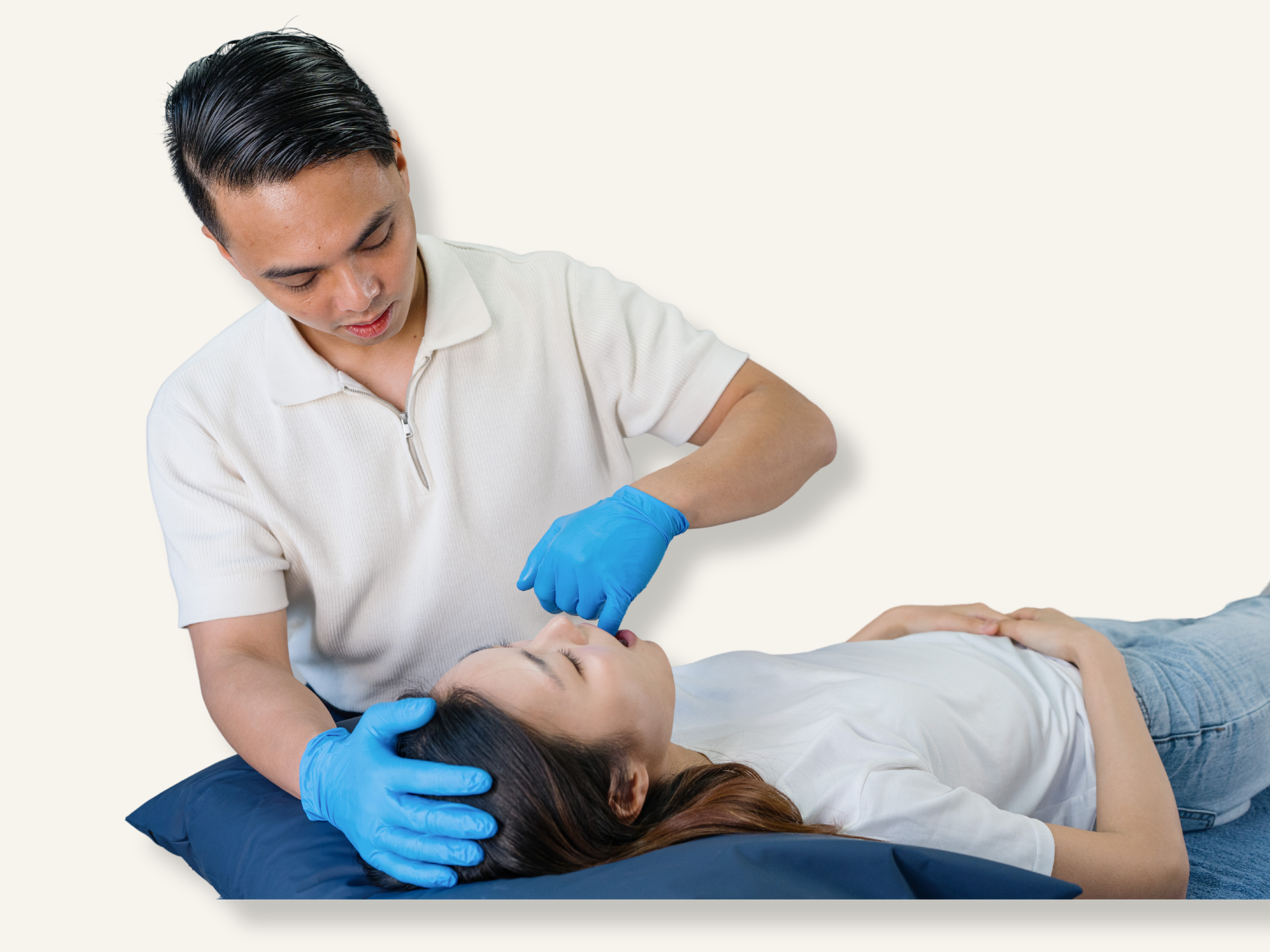
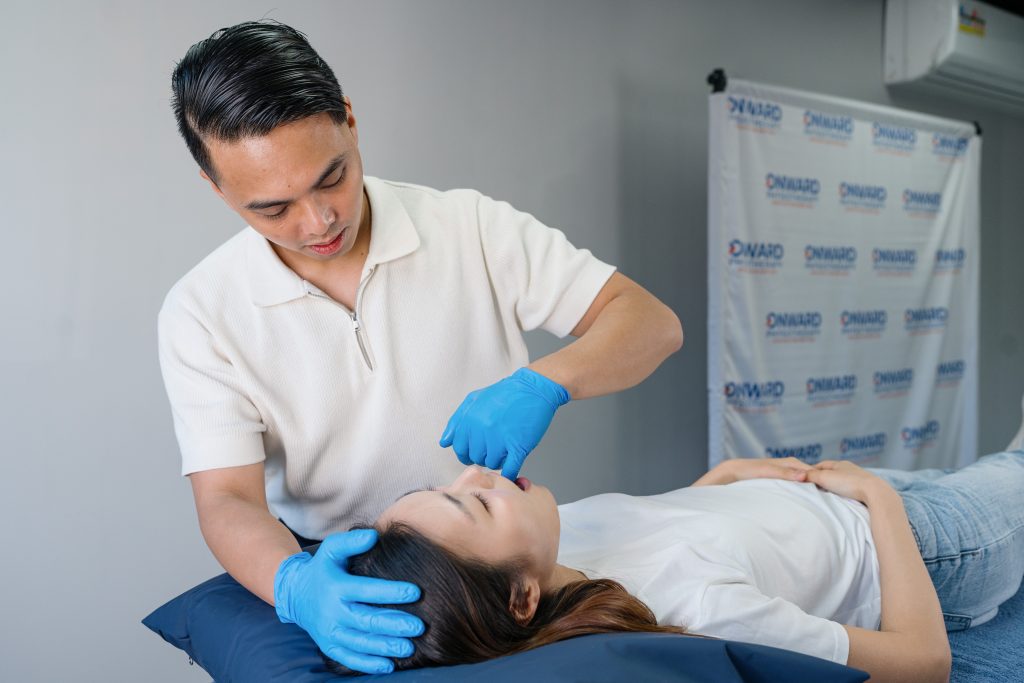
Based on this, we provide hands-on treatment and advice to help you manage your symptoms at home. This could include intra-oral massage, dry needling, joint glides, exercises and tips about your home/work setup.

If you’ve been referred by a dentist or specialist, we can also provide a report with your diagnosis and recommendations. You don’t need a referral to see us.

Click book now to start.

Frequently Asked Questions

What is TMJ dysfunction and what are the symptoms?

TMJ dysfunction (also called TMD) is pain or restricted movement in the jaw joint and the muscles that move it. Common symptoms include jaw clicking or popping, jaw locking, pain when chewing, clenching and grinding, and headaches or ear pain. It is most common in women aged 20 to 40 and in people under a lot of stress.

A physio assesses how  your jaw, neck and posture contribute to your symptoms, then provide hands on treatment, exercises and advice on how to manage their TMJ dysfunction. Treatment could involve a gloved treatment inside the mouth for the jaw muscles, dry needling outside the mouth where appropriate on the jaw muscles, and education on habits like clenching and posture at work and sleep. There are also some types of headaches that can be related to TMJ pain.

Your 40 minute initial appointment includes measuring your jaw opening, checking for clicking or deviation, and assessing your neck and posture. We do one type of treatment in the first session, so we can monitor if it is effective for your issue by the next session. An initial consultation costs $130 and 30 minute follow ups cost $120. Private health funds can be claimed on the spot and no referral is needed.

Most TMJ patients we see need six or more sessions. A typical plan is two sessions in the first week, then one session a week for up to eight weeks. Your physiotherapist reviews your progress against your goals throughout. If you haven’t achieved your goal by eight weeks, we may refer you on to a specialist via your dentist or GP.

You can book directly with a physiotherapist without a dental referral. If a dental cause is suspected, such as tooth pain or a change in your bite, or a splint may help, your physiotherapist may refer you to a dentist. If your goals have not been reached after about eight weeks of physiotherapy, you may be referred to a dentist with additional training in TMJ splints or an oral and maxillofacial specialist.

Jaw clicking usually comes from how the disc inside your jaw joint moves as your mouth opens and closes. Clicking without pain or restricted movement often does not need treatment. If clicking comes with pain, locking or difficulty opening your mouth, a physiotherapy assessment can identify what is contributing to it.

If your jaw locks open and you cannot close your mouth, seek urgent medical care, such as the emergency department. If your jaw catches or you cannot open it fully, physiotherapy can include joint mobilisations, muscular releases and exercises to improve mouth opening from joint related and muscle related causes.

A night splint protects your teeth from grinding, but clenching is still common in people who wear one. Physiotherapy can work alongside your splint to treat the jaw muscles, improve jaw movement and build awareness of your clenching habits. Your physiotherapist can liaise with your dentist about your splint.

Stress often leads to clenching or grinding, during the day or while you sleep, which overloads the jaw muscles and joint. In fact, the masseter muscle on the jaw is one of the strongest muscles in the body. TMJ pain and headaches are very common in people under a lot of stress. Physiotherapy includes education and strategies to recognise and reduce clenching, alongside treatment of the jaw and neck.

Trismus is restricted mouth opening, which can occur after jaw, mouth or dental surgery. Physiotherapy uses joint mobilisations, masticatory muscle releases and exercises to improve mouth opening. This opening can be measured to track your progress. Your physiotherapist can work with your surgeon or dentist where needed.

Our Services

Our clinic offers a wide range of physiotherapy services designed for dancers, runners, and everyday people. Whether you’re recovering from injury, managing chronic pain, or aiming to optimise your physical performance, our hands on approach and extensive experience will help you move forward with confidence and ease.

Onward Physiotherapy

Book an appointment

Onward Physiotherapy provides personalised, hands on care to help you move better, feel stronger, and get back to doing what you enjoy.

Scroll to Top
Book Now Call Us