

Physio Services
Dry needling
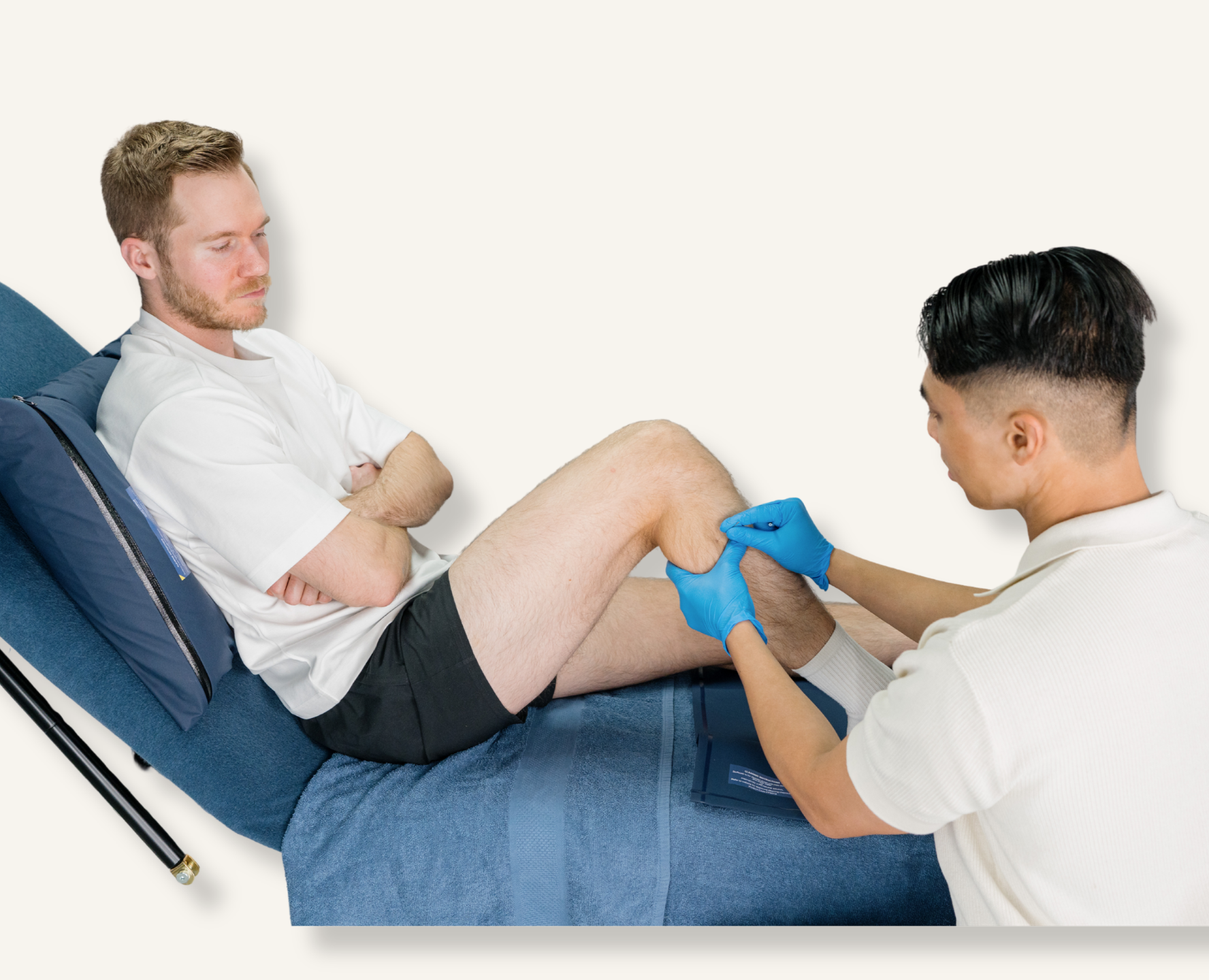
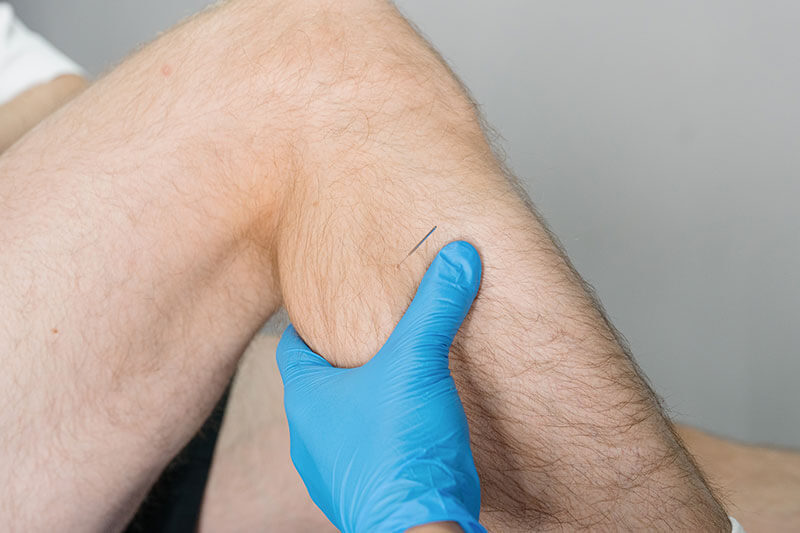
Dry needling uses very fine, single use needles inserted into tight spots in your muscles called trigger points. This can help relieve muscle tension and reduce discomfort.

Dry Needling
What is dry needling?
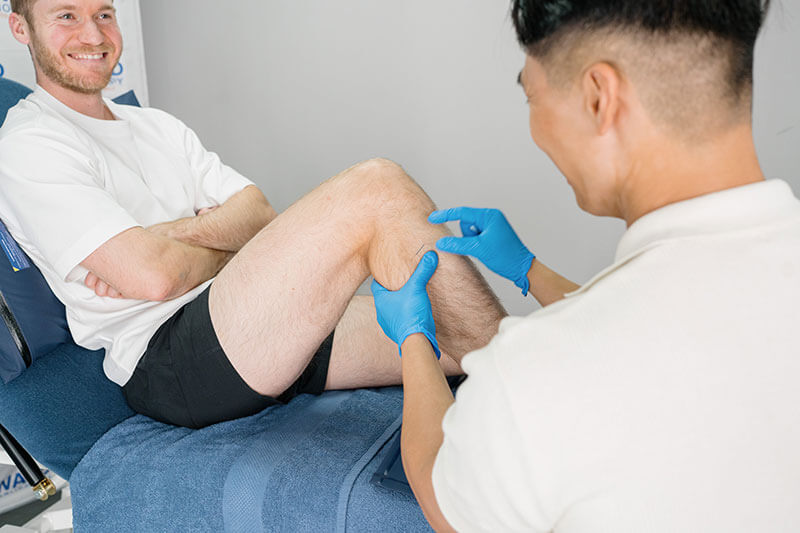
Dry needling is a technique used by physiotherapists to treat muscle pain and movement restrictions. It involves inserting a thin needle directly into a muscle to target trigger points. These are areas of muscle that are tight, overactive, or contributing to pain. The needle stimulates the muscle to release, which can reduce pain and improve how the muscle moves and functions.
Our physiotherapists have dry needling certification. It is used as part of a broader treatment plan where clinically appropriate, not as a standalone technique in isolation from other assessment and treatment.

The most common side effects are mild bruising, muscle soreness, or feeling a bit tired afterward. These usually pass quickly and are well tolerated by most people.
What to expect?
Dry needling is incorporated into a physiotherapy appointment where it is clinically appropriate. It is not a separate appointment or an add on with an additional cost. It forms part of your treatment within the same session as your assessment and other hands on work.
When a needle is inserted into a muscle, you may feel a local twitch response. This is a brief involuntary contraction of the muscle. This is a normal response and is often associated with a release of tension in the muscle. Some patients feel a dull ache or heaviness during the treatment, and some experience mild muscle soreness in the treated area for a day or two afterwards, similar to post exercise soreness.
Your physiotherapist will explain what to expect before beginning and dry needling will only be used where it is appropriate for your presentation and where you have given consent.
Frequently Asked Questions
Is dry needling included in the cost of a standard appointment?
Yes. Dry needling is included within the cost of a standard physiotherapy consultation at no extra charge. The initial consultation is $130 for 40 minutes and follow ups are $120 for 30 minutes.
How is dry needling different from acupuncture?
Dry needling and acupuncture both use thin needles but they are based on different frameworks and have different goals. Dry needling targets specific muscles to help reduce pain and improve movement. It is based on anatomy, physiology, and an understanding of how muscles and the nervous system contribute to pain and dysfunction. It is used within a physiotherapy assessment and treatment context.
Acupuncture is based on traditional Chinese medicine and aims to support overall wellbeing through the body’s energy pathways. It is a distinct practice with its own framework and training.
At Onward Physiotherapy, the approach is dry needling within a physiotherapy context. It is used where the assessment indicates that a muscle is contributing to your pain or movement restriction and that needling is an appropriate part of your treatment.
Does dry needling hurt?
Most patients feel a dull ache or local twitch response when the needle is inserted into the muscle. Some experience mild muscle soreness in the treated area for a day or two afterwards, similar to post exercise soreness. Your physiotherapist will explain what to expect before beginning.
What conditions is dry needling used for?
Dry needling is used at the clinic as part of treatment for a range of conditions, including but not exclusive to:
- Headaches with a muscular or cervical component
- TMJ jaw pain and associated facial muscle tension
- Neck pain and upper back stiffness
- Lower back pain with significant muscle involvement
- Shoulder pain including rotator cuff related conditions and muscle tension
- General muscle tightness contributing to pain and restricted movement
Do I have to have dry needling as part of my treatment?
No. Dry needling is only used where it is clinically appropriate for your presentation and where you have given consent. It is one tool within a broader treatment approach, not a compulsory part of every appointment.
Is dry needling safe?
Yes. Our physiotherapists hold multiple dry needling certifications. It is a widely used technique within physiotherapy practice when performed by a trained and certified practitioner.
What should I do after dry needling?
Staying well hydrated after dry needling is generally recommended. Some mild muscle soreness in the treated area is normal for a day or two. If you have any concerns after your appointment, contact the clinic directly on (02) 8390 2141.
Our Services
Our clinic offers a wide range of physiotherapy services designed for dancers, runners, and everyday people. Whether you’re recovering from injury, managing chronic pain, or aiming to optimise your physical performance, we offer hands-on, one on one care tailored to your goals.
Book an appointment
Onward Physiotherapy provides personalised, hands on care to help you move better, feel stronger, and get back to doing what you enjoy.


